10 Things You Didn’t Know About Traveling to Antarctica
Traveling to Antarctica is an adventure unlike any other. It’s a journey to the ends of the Earth, where pristine landscapes meet unique wildlife. Here are ten surprising things you might not know about embarking on this extraordinary trip.
The Strict Environmental Protocols
Antarctica is one of the most protected places on the planet, and for a good reason. The Antarctic Treaty, in place since 1961, ensures that this icy wilderness remains untouched by human interference. When you travel there, expect to adhere to strict environmental protocols. For instance, all visitors must disinfect their boots before landing on the continent to prevent the introduction of foreign species. It’s a small but crucial step in preserving the delicate ecosystem of this icy paradise.
No Visa Required
Unlike other international destinations, Antarctica doesn’t require a visa for entry. However, this doesn’t mean you can just hop on a plane and land there. Travelers usually need to go through approved tour operators who follow the International Association of Antarctica Tour Operators (IAATO) guidelines. These operators ensure that your journey is safe and environmentally friendly, while also giving you a taste of the continent’s surreal beauty.
A Melting Pot of International Research Stations
While you might expect Antarctica to be a desolate wasteland, it’s actually home to a bustling community of international research stations. Over 70 research stations operate there, representing more than 30 countries. Each of these stations contributes to important scientific work, from studying climate change to observing unique wildlife patterns. Visiting scientists live in close quarters and often collaborate across borders, creating a melting pot of ideas and cultural exchanges in one of the most remote places on Earth.
Limited Visiting Season
The window to visit Antarctica is a small one—typically from November to March. These months are considered the Antarctic summer and offer relatively milder weather and extended daylight. During this time, temperatures can range from -2°C to 8°C (28°F to 46°F), making it the most comfortable time to explore the frozen wilderness. Outside of this period, harsh winter conditions make travel nearly impossible for tourists.
Unique Wildlife Encounters
Antarctica is a haven for wildlife enthusiasts. The continent is home to a range of creatures adapted to its extreme conditions. Penguins, seals, and whales are some of the iconic animals you’ll encounter. Interestingly, the emperor penguin, which is the only penguin species that breeds during the Antarctic winter, can be seen during the early part of the travel season. Additionally, krill, a tiny shrimp-like creature, forms the basis of the Antarctic food chain, supporting a variety of marine life.
Not Just Ice and Snow
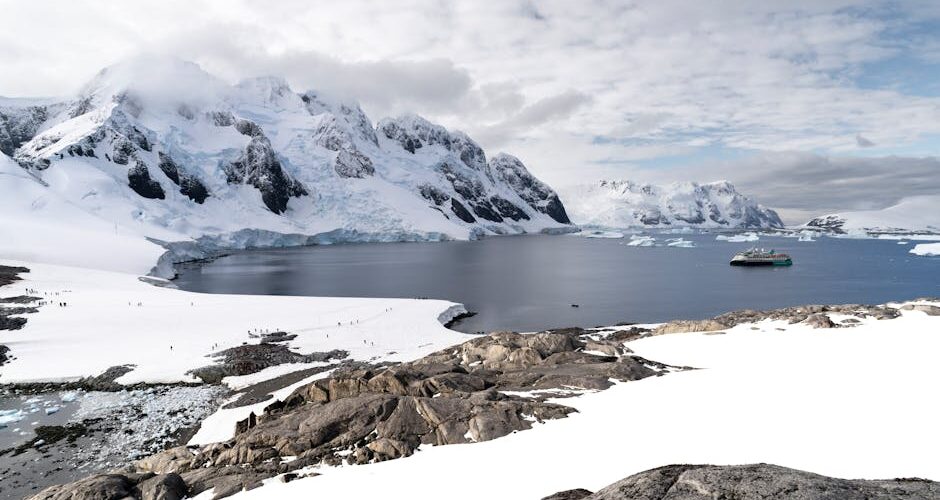
While the image of Antarctica is often one of endless ice and snow, the continent offers surprisingly diverse landscapes. The Dry Valleys, for example, are ice-free areas that resemble the surface of Mars more than our home planet. These valleys are one of the driest places on Earth and have been a focal point for scientific research aimed at understanding life in extreme conditions. Additionally, the breathtaking icebergs, towering glaciers, and volcanic mountains provide a stunning backdrop for any explorer.
The Southernmost City: Ushuaia
Most travelers to Antarctica begin their journey in Ushuaia, Argentina, often dubbed “the southernmost city in the world.” This vibrant city is the gateway to the continent and offers its own attractions, with striking views of the Andes and Beagle Channel. From Ushuaia, cruises head towards the Antarctic Peninsula, crossing the infamous Drake Passage—a rite of passage in itself for any adventurer.
Conversations With Ice
Ice is not just a backdrop in Antarctica; it’s a subject of study and conversation. Scientists and tourists alike are captivated by the ice cores extracted from glaciers, which serve as time capsules of Earth’s climate history. These ice samples can reveal atmospheric conditions from hundreds of thousands of years ago, offering invaluable insights into past climate events and helping to predict future patterns. As a traveler, simply observing the ice in its many forms—from the mesmerizing blue of freshly broken pack ice to the towering ice cliffs—can be a humbling experience.
Communications Are Limited
Modern conveniences like Wi-Fi and mobile networks are rare in Antarctica. Most ships and research stations have limited satellite internet that is primarily reserved for scientific use and emergency communications. Travelers should embrace the digital detox, taking the opportunity to disconnect from the busy digital world and fully immerse themselves in the raw, untamed beauty of the continent.
Your Journey Contributes to Science
Many expedition cruises offer tourists the chance to participate in citizen science projects. These initiatives might include wildlife surveys, atmospheric observations, or even assisting with tagging and data collection. By joining these efforts, travelers not only enhance their own experience but also contribute valuable data that supports ongoing scientific research across the continent.
Traveling to Antarctica is more than just a trip; it’s an expedition into one of the last true wildernesses on Earth. With unique landscapes, wildlife, and a rich tapestry of scientific discovery, each journey helps to preserve and understand this unparalleled environment.
Practical takeaway: If you’re considering a trip to Antarctica, remember to book with a reputable, IAATO-affiliated operator during the Antarctic summer. Prepare for limited connectivity and strict environmental protocols, and get ready for an unforgettable adventure that will leave you with a deeper appreciation for our planet’s last frontier.