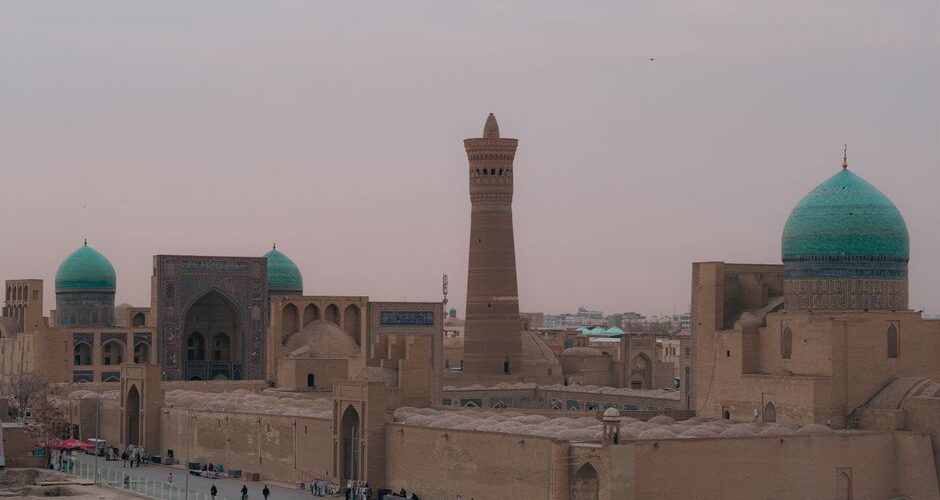
Rediscovering Central Asia: A Journey Through the Heart of the Silk Routes
Once the lifeline of ancient commerce and culture, Central Asia’s Silk Routes are making a fascinating comeback in 2026. With the spotlight on sustainable tourism, travelers are retracing the steps of ancient traders, discovering a tapestry of diverse cultures, and fostering connections forged over centuries. This isn’t just a journey across lands; it’s a vibrant exploration of history, trade, and the timeless human spirit.
The Modern Silk Routes: Bridging Past and Future
In 2026, the resurgence of the Silk Routes is redefining travel experiences. No longer just a path for exchanging silk and spices, these routes are now corridors for cultural exchange and sustainable tourism. From Uzbekistan’s Samarkand to Kazakhstan’s Almaty, each destination offers a unique blend of the ancient and the modern. The Trans-Caspian International Transport Route, often dubbed the ‘New Silk Road’, is a marvel of innovation, connecting China to Europe via rail and sea. This network is not just about logistics but also about linking people and fostering understanding between vastly different worlds.
A Tapestry of Cultures: Must-Visit Destinations in Central Asia
- Samarkand, Uzbekistan: Known as the ‘Gem of the East’, Samarkand is steeped in history. Its majestic squares and the iconic Registan, with its blue-tiled madrassahs, attract history enthusiasts and casual travelers alike.
- Bishkek, Kyrgyzstan: A vibrant city surrounded by the Tian Shan mountains, Bishkek offers a blend of Soviet-era architecture and bustling bazaars. Here, travelers can explore Ala-Too Square and engage with the local Kyrgyz culture.
- Almaty, Kazakhstan: Once the capital city, Almaty is a cultural hub with a backdrop of snow-capped mountains. It’s known for its diverse culinary scene and the breathtaking Big Almaty Lake.
- Dushanbe, Tajikistan: As the capital city, Dushanbe is an eclectic mix of Soviet influences and traditional Tajik culture. Visiting the National Museum of Tajikistan offers insights into the country’s rich history.
Gastronomic Adventures: Savoring the Flavors of the Silk Routes
Central Asia’s culinary heritage is as rich and diverse as its history. 2026 is the perfect time to embark on a gastronomic journey through dishes that have been perfected over millennia. In Uzbekistan, plov, a hearty rice dish with meat and vegetables, is a must-try. Kyrgyzstan offers lagman, a Uyghur noodle soup bursting with flavors, while Kazakhstan’s national dish, besbarmak, consists of boiled meat and noodles served with onion and broth. Don’t miss out on the refreshing Tajik shurbo, a fragrant soup made with beef and succulent fresh herbs.
Sustainable Travel: Making a Difference on the Silk Routes
Traveling the Silk Routes in 2026 isn’t just about experiencing the past; it’s about shaping the future. With an increasing focus on sustainable tourism, travelers are encouraged to engage in eco-friendly practices. Many regions are implementing projects to preserve their unique ecosystems and local cultures. Choosing eco-lodges, participating in community-based tourism projects, and practicing ‘Leave No Trace’ principles contribute to the preservation of these incredible destinations. By doing so, travelers become part of a global movement toward sustainable exploration.
Practical Takeaway: Planning Your Silk Routes Adventure
Planning a trip along the Silk Routes requires a mix of curiosity and preparation. First, consider the best time to visit: spring and autumn offer the most pleasant weather. Understanding visa requirements is crucial, as each country along the route has its own regulations. Finally, embrace the unexpected. The Silk Routes are a living museum of culture and history, offering surprises at every turn. Whether it’s a spontaneous conversation with a local artisan or a detour to a lesser-known village, these experiences add depth to your journey.