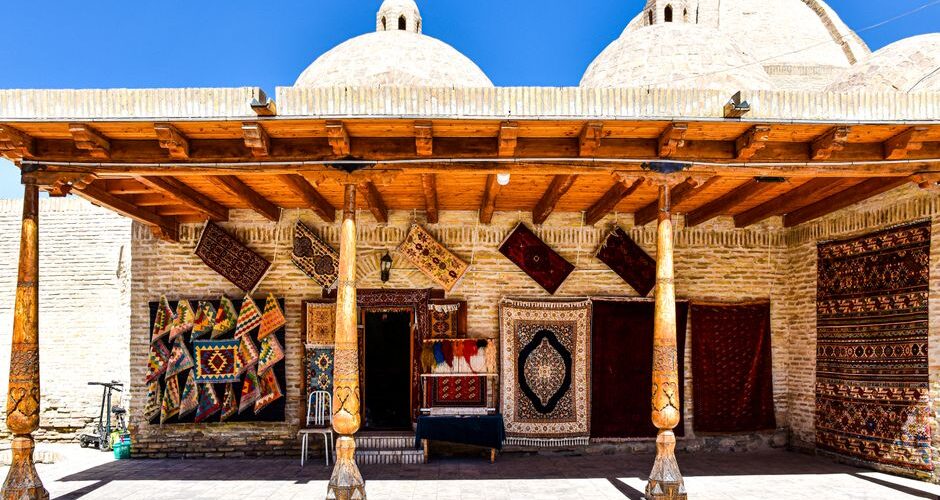
The Allure of the Silk Road in 2026
The Silk Road, a network of trade routes connecting the East and West, has long been a symbol of cultural exchange, adventure, and history. Fast forward to 2026, and this ancient path is still a must-visit for those with a thirst for exploration. From the bustling bazaars of Samarkand to the serene landscapes of the Karakoram Highway, the Silk Road offers a unique blend of old-world charm and modern accessibility.
Why the Silk Road Matters Today
In our interconnected world, the Silk Road stands as a reminder of the power of human connection. This historic route facilitated not just trade but the exchange of ideas, religions, and technologies. Travelers in 2026 can witness firsthand the enduring legacy of this cultural tapestry. As more regions along the Silk Road invest in tourism infrastructure, visitors can enjoy a journey that is both historically enriching and comfortably modern.
Must-Visit Destinations Along the Silk Road
- Samarkand, Uzbekistan: Often called the “Pearl of the East,” Samarkand is a city where history comes alive. Its Registan Square, with its stunning Islamic architecture, is a testament to the city’s past significance on the Silk Road. In 2026, visitors can explore new interactive exhibitions that bring the history of this ancient trade hub to life.
- Kashgar, China: One of the westernmost cities in China, Kashgar is a vibrant mix of Uyghur culture and modern Chinese influences. The Sunday Bazaar, famous for its array of goods ranging from spices to textiles, remains a must-see. Recent government efforts have enhanced the city’s infrastructure, making it more accessible to global travelers.
- Khiva, Uzbekistan: This walled city is like stepping back in time. Recognized by UNESCO as a World Heritage Site, Khiva’s architectural wonders are remarkably preserved. In 2026, new guided tours provide deeper insights into its historical significance and the lives of those who inhabited this desert oasis.
Practical Tips for the Modern Silk Road Traveler
Traveling the Silk Road in 2026 requires a mix of preparation and spontaneity. Here are some tips to enhance your journey:
- Visas and Documentation: With the Silk Road spanning multiple countries, ensure your travel documents are in order. In 2026, many Silk Road countries offer e-visas, simplifying the process considerably.
- Transportation: While the Silk Road is historically linked with caravans, today’s travelers can enjoy a mix of options. High-speed trains now connect major cities along the route, offering a comfortable and efficient way to traverse long distances.
- Local Cuisine: Tasting the local flavors is a must. From Uzbek plov to Chinese lamb skewers, each region offers a culinary journey of its own. Don’t hesitate to venture into local markets or try street food for an authentic experience.
The Future of Silk Road Tourism
The Silk Road is poised for a renaissance in tourism in 2026. With increased interest from global travelers and investments in preserving cultural heritage, the region is more accessible than ever. The corridor of cultures along the Silk Road continues to inspire and educate, ensuring it remains a beloved destination for generations to come.
Practical Takeaways
Exploring the Silk Road in 2026 combines the thrill of discovery with the comforts of modern travel. By carefully planning your journey and embracing the local culture, you can experience the timeless allure of this historic route. Whether you’re drawn by the history, the people, or the landscapes, the Silk Road offers a rich tapestry of experiences waiting to be unraveled.