Why Authentic Cultural Immersion?
The year is 2026, and travelers are increasingly yearning for something beyond the usual tourist experiences. The desire to truly understand and live like a local is more prominent than ever. It’s about forming connections, understanding traditions, and experiencing daily life in unfamiliar places. Authentic cultural immersion allows travelers to step into the shoes of the locals, offering insights that typical tours can’t provide.
Stay with Local Hosts
One of the most genuine ways to experience a culture is by staying with locals. Platforms like Homestay and Couchsurfing have been thriving, especially as people look to create meaningful interactions. For example, in the vibrant city of Oaxaca, Mexico, staying with a local family can offer insights into traditional cooking methods and family-centric festivals. Sharing meals prepared by your host not only tantalizes your taste buds with authentic flavors but also lets you partake in their daily lives.
Learn the Language
Nothing bridges cultural gaps like language. In 2026, language learning apps like Babbel and Duolingo have further evolved to provide real-time conversation practices. Travelers to Seoul can join language exchange meetups, pairing up with locals eager to practice English while teaching Korean. This linguistic exchange opens doors to understanding cultural nuances, idioms, and humor that are often lost in translation.
Participate in Community Activities
Every community has its unique rhythm, events, and gatherings. Engaging in these activities is a surefire way to feel like part of the community. In Bali, travelers can join in on temple festivals, where the blend of vibrant colors, traditional music, and dance offer a window into Balinese spirituality. Meanwhile, in the Swedish town of Kiruna, joining the locals for an Aurora Borealis viewing party is more than just a chance to watch the Northern Lights; it’s about embracing local customs and stories around the natural wonder.
Support Local Artisans
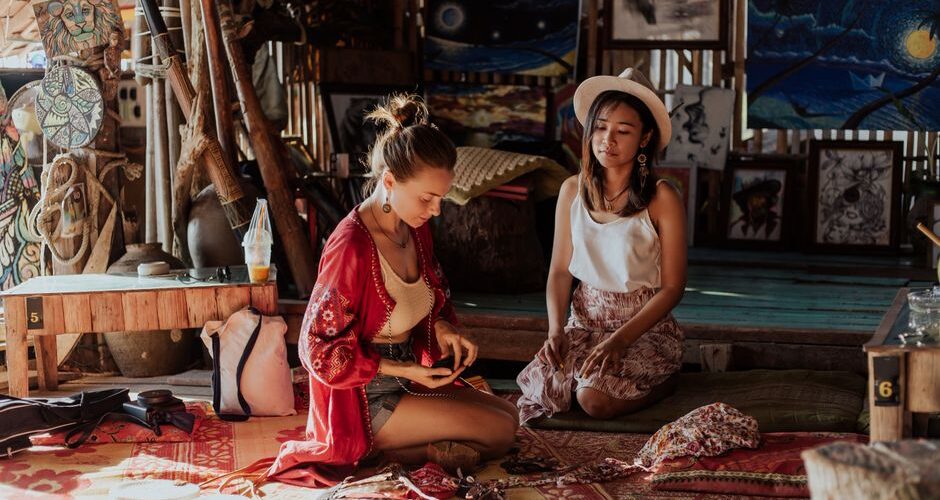
Shopping at local markets and buying directly from artisans is a powerful way to understand a place’s culture. In Marrakech, the bustling souks are more than just shopping destinations; they are cultural hubs where artisans craft intricate rugs and pottery. Engaging with these artisans, perhaps even participating in a workshop, allows travelers to appreciate the skill and tradition behind each piece.
Eat What the Locals Eat
Food is a universal language, and eating what the locals eat is a journey in itself. Street food tours in Bangkok offer a firsthand experience of Thai culture, where flavors are bold and the preparation is an art form. By dining in local eateries, travelers can experience the daily life and social fabric of the community which is often centered around meals.
Practical Takeaway: Start Small and Be Open
The essence of cultural immersion is in being open to new experiences and stepping out of your comfort zone. Start small, whether it’s by learning a few basic phrases or attending a local event. The key is to engage genuinely and respectfully, allowing the local culture to transform your perspective. As 2026 progresses, the world continues to shrink, making these authentic experiences not just possible, but essential for meaningful travel.