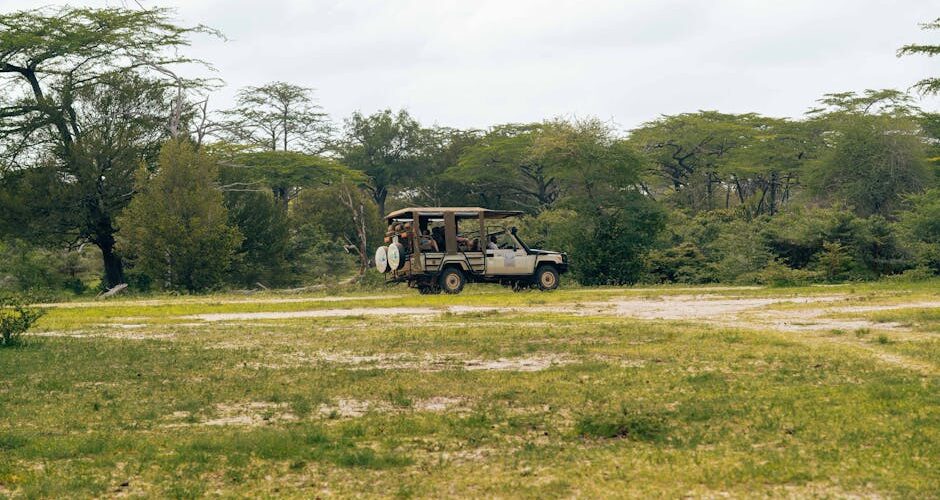
Not Researching the Best Time to Visit
One of the most common mistakes travelers make is failing to research the best time to visit their chosen safari destination. Africa is a vast continent, and safari experiences can vary significantly depending on the time of year. For example, if you’re planning to go on a safari in the Serengeti, you’ll want to time your trip with the Great Migration, which typically occurs from July to October. On the other hand, if you’re heading to Botswana’s Okavango Delta, the dry season from May to October offers the best wildlife viewing. Always check the seasonal patterns and weather conditions for your specific destination to maximize your wildlife encounters.
Choosing the Wrong Safari Destination for Your Interests
Not all safaris are created equal, and selecting the wrong destination can result in disappointment. Are you hoping to see the Big Five? South Africa’s Kruger National Park might be your best bet. Interested in birdwatching? Then Kenya’s Lake Nakuru, with its thousands of flamingos, might pique your interest. If you’re drawn to remote areas and unique species, consider Namibia’s Etosha National Park. It’s crucial to align your interests with the right location to ensure your safari experience meets your expectations.
Underestimating the Importance of a Good Guide
A knowledgeable guide can make or break your safari experience. A skilled guide doesn’t just point out animals—they can share insights into animal behavior, local culture, and the ecosystem. For instance, in Tanzania, guides can explain the social dynamics of a lion pride or identify the distant calls of a bird. Ensure your safari operator employs well-trained, experienced guides who can enrich your understanding and appreciation of the wildlife you encounter.
Forgetting to Pack Essential Gear
While it might seem obvious, many travelers forget to pack the essentials. Binoculars, a quality camera, and layered clothing are must-haves. Binoculars allow you to observe animals from a distance, while a good camera captures memories you’ll cherish forever. Given the fluctuating temperatures, layered clothing is crucial for comfort. Don’t forget sunscreen and insect repellent, as the African sun can be harsh, and bugs can be relentless, especially during the wet season.
Ignoring Health Precautions and Vaccinations
Your health should be a top priority, and safaris often require specific health precautions. Depending on your destination, vaccinations against diseases like yellow fever might be mandatory. Malaria is also a concern in many regions, so taking preventive measures such as medication and using insect repellent is essential. Consult with a travel health professional well in advance of your trip to ensure you have all necessary vaccinations and health measures covered.
Neglecting to Budget for All Expenses
Many travelers underestimate the costs involved in a safari. It’s not just the safari package that you need to budget for—consider flights, visas, travel insurance, tips for guides and staff, and personal expenses like souvenirs. Additionally, some parks charge entry fees that might not be included in your tour package. Always confirm what is included in your safari package and plan your budget to avoid any unwelcome surprises.
Overlooking the Importance of Sustainable Travel
Safaris have a significant impact on the environment and local communities. Choosing a safari operator that prioritizes sustainable practices is crucial. Look for operators that support local conservation efforts and provide fair wages to their guides and staff. Consider staying at eco-friendly lodges that use renewable energy sources and promote wildlife conservation. Your choices can contribute to preserving these unique ecosystems for future generations.
With careful planning and awareness of these common mistakes, you can embark on a safari adventure that is not only rewarding but also responsible. Remember, the key to a successful safari is preparation and respect for the natural world and the communities you visit.