Why Slow Travel Matters More Than You Think
In an era where everything is fast-paced and on-demand, travel has not escaped the whirlwind of speed and efficiency. But in the rush to tick off destinations and experiences, are we missing the true essence of travel? Enter slow travel—a movement that encourages travelers to take a breath, soak in the surroundings, and engage with destinations on a deeper level.
The Art of Immersion
Slow travel is more than just a method of transportation; it’s about immersing yourself in the culture, community, and environment of the place you visit. Take a city like Granada, Spain. Rather than rushing through the Alhambra with a tour group, slow travelers might choose to spend an entire week wandering the cobblestone streets, sampling tapas at local bodegas, or learning about the city’s rich history from a lifelong resident.
This approach allows travelers to connect with locals, learn the nuances of daily life, and perhaps even pick up a few words in the local dialect. It’s about understanding a place not just as a dot on the map, but as a living, breathing entity with its own rhythms and stories.
Environmental Benefits
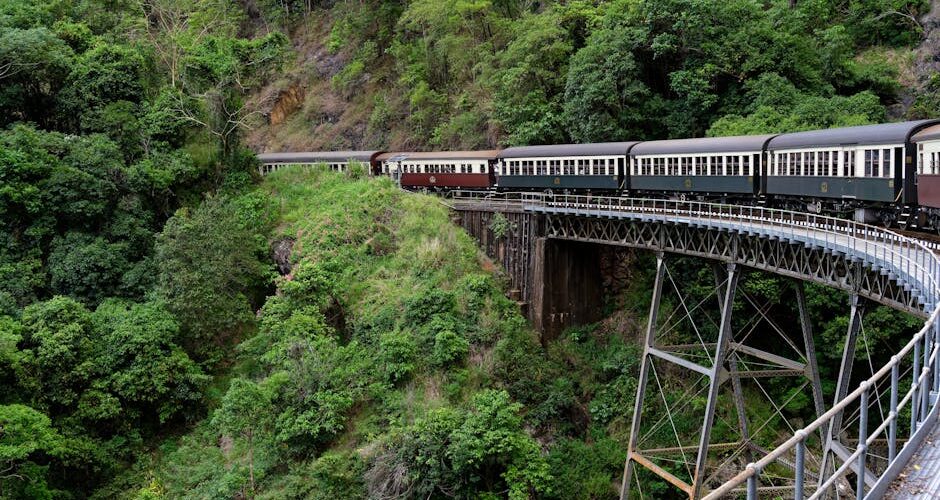
Traveling slowly often means opting for modes of transport that are more environmentally friendly, like trains, bicycles, or simply walking. European rail journeys are a prime example, where the journey itself becomes part of the adventure. Consider the Glacier Express in Switzerland; this train takes you on an eight-hour voyage through the Swiss Alps, offering panoramic views that you simply wouldn’t get from the seat of an airplane.
Additionally, slow travel encourages longer stays in fewer destinations, which can help reduce the carbon footprint associated with frequent flights and short-term accommodations. By choosing to travel slowly, we contribute to the preservation of our planet while still satisfying our wanderlust.
Supporting Local Economies
When we slow down, we spend more time and money in one place. This shift can have a profound impact on local economies, particularly in rural or less-visited areas. By staying in family-run guesthouses, dining at local eateries, and engaging with community-led tours, travelers can directly support local businesses and entrepreneurs.
An example of this can be seen in places like Slovenia, where agro-tourism has taken off. Visitors are encouraged to stay on farms, participate in wine-making, or learn traditional crafts. This not only enriches the travel experience but also provides a sustainable income for local families.
Finding Serendipity
One of the greatest joys of travel is the element of surprise—the unplanned moments that become lifelong memories. Slow travel opens the door to serendipity. Without a packed itinerary, you can stumble upon a hidden café in Lisbon where the owner sings Fado in the evenings or join a spontaneous street festival in a small Japanese town.
These unplanned adventures often lead to deeper connections and more memorable experiences. Travelers who embrace slow travel often find that the best moments are the ones they never anticipated.
Enhancing Personal Well-being
In a world filled with stress and constant connectivity, slow travel offers a path to rejuvenation and mindfulness. By taking time to truly experience a destination, travelers can disconnect from their daily pressures and reconnect with themselves. Imagine spending a week in a Tuscan villa, attending a yoga retreat in Bali, or simply taking long walks through the Irish countryside.
These experiences can foster a sense of peace and well-being, allowing travelers to return home not only with photos and souvenirs but with a refreshed perspective and a calmer mind.
Practical Takeaway: How to Embrace Slow Travel
Slow travel doesn’t require a complete upheaval of your travel habits. Start small by extending your stays in destinations and opting for public transportation. Travel during the off-season and choose accommodations that allow you to connect with locals.
Plan journeys that focus on fewer destinations but allow for richer experiences—perhaps a month-long stay in a single country or region. Let your curiosity guide you, and remember that the journey is just as important as the destination.